Quick Answer
This article explains Bandcamp AI restrictions for independent artists by focusing on checking marketplace rules before uploading AI-generated releases. The practical takeaway is to verify current platform or rights rules, keep clean metadata and documentation, and make decisions based on your catalog goals rather than hype, shortcuts, or unsupported claims.
Key Takeaways
- Bandcamp Goes "Human-Only": No More AI Music Allowed is mainly about checking marketplace rules before uploading AI-generated releases.
- Artists should keep accurate metadata, release records, and rights documentation.
- Platform, marketplace, and royalty policies can change, so current rules should be verified.
- The safest plan is to protect catalog control while building sustainable audience growth.
Bandcamp Becomes First Major Music Platform to Ban AI-Generated Music in 2026
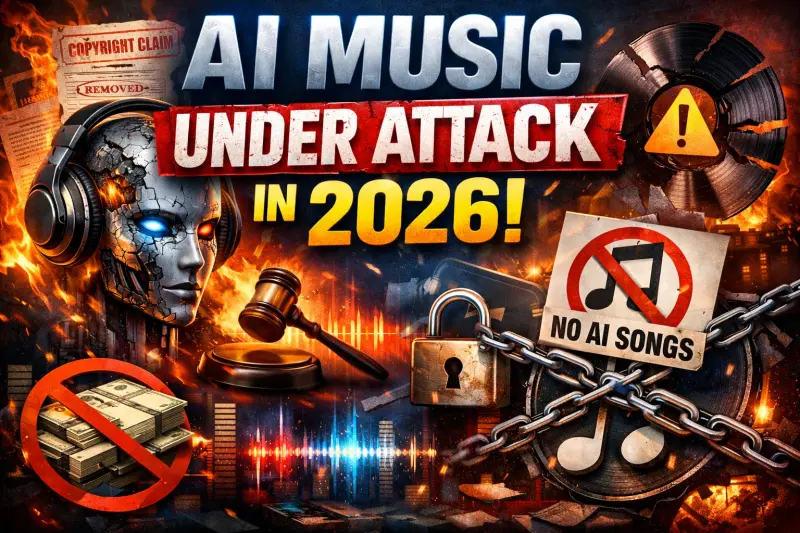
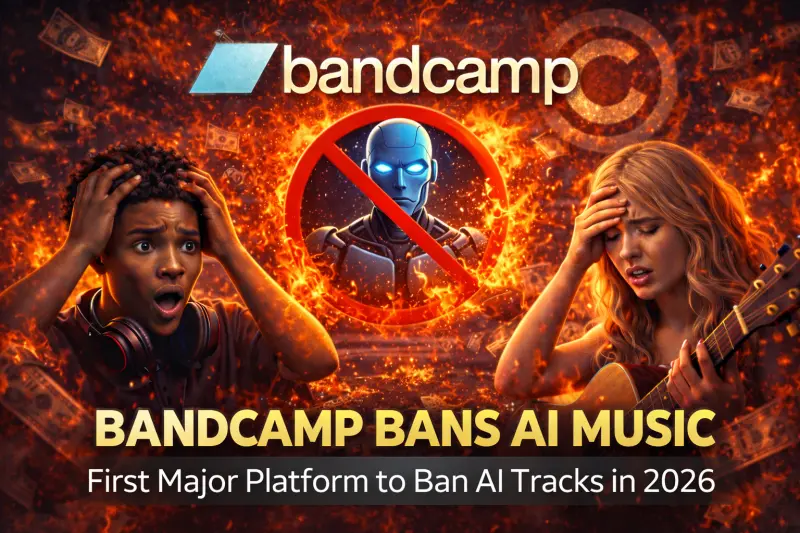
In a landmark 2026 move, Bandcamp has become the first major music platform to ban AI-generated music entirely.
This decision could reshape how AI tools are regulated across streaming services and impact creators worldwide.
The music industry’s battle with artificial intelligence took a dramatic turn in 2026 when Bandcamp announced a complete ban on AI-generated content — music and audio created wholly or largely by generative AI tools will no longer be allowed on the platform.
This decision makes Bandcamp the first major music service to outlaw AI-generated tracks entirely, setting a precedent as concerns about authenticity, artist rights, and copyright ethics intensify.
🚫 What Bandcamp’s Ban Means
According to Bandcamp’s updated policies:
-
AI-generated music with little or no human involvement will be removed.
-
Content that relies heavily on generative AI — especially impersonations of artists or styles — is prohibited.
-
Users are encouraged to report tracks they suspect are AI-generated.
This approach is markedly stricter than other platforms like Spotify or Deezer, which have implemented more nuanced or partial restrictions against AI music.
🎧 Why this Ban Is a Big Deal
Bandcamp is known for being artist-centric — with a strong community of independent musicians and direct payment to creators.
By banning AI content outright, Bandcamp is sending a clear message: ownership, authenticity, and human creativity matter first.
For many artists, especially independents, this could:
-
Protect their work from AI clone threats
-
Prevent dilution of legitimate music catalogs
-
Create a new standard for platforms prioritizing quality over quantity
🤖 AI in the Music World — A Dividing Line
The rise of generative AI tools has produced debates worldwide about:
-
Whether AI should be allowed to make music at all
-
Who owns the rights to AI-produced sound
-
How platforms should balance innovation with artist protection
While some services focus on labeling or filtering AI content, Bandcamp’s ban is the strictest stance yet in the industry.
🧠 What This Means for Artists & Distributors
Independent artists and distributors now have a choice:
-
Rely on AI tools for assistance only, not full creation
-
Focus on human-led production and collaboration
-
Understand that some platforms may refuse AI music entirely
This development could also pressure streaming services and distributors to define clearer AI copyright policies — bridging the gap between innovation and ethical standards.
🎯 Final Thoughts
Bandcamp’s decision could mark a turning point in how music platforms approach AI creativity.
Whether other major services will follow remains to be seen — but for now, artists and labels must adapt to an ecosystem that increasingly values authentic human artistry over automated sound.
Release Your Music Globally With Last Play Distro
With Last Play Distro, artists can distribute music globally to 150+ platforms, start on a Free tier where they keep 60% royalties, or upgrade to Premium tiers where they can keep up to 95% royalties.
- Global music distribution for independent artists
- Transparent royalties with plan-based royalty splits
- No fake partner, review, rating, or inflated artist-count claims