Quick Answer
This article explains TikTok ban risk for independent artists by focusing on protecting music promotion and revenue from overdependence on one short-form platform. The practical takeaway is to verify current platform or rights rules, keep clean metadata and documentation, and make decisions based on your catalog goals rather than hype, shortcuts, or unsupported claims.
Key Takeaways
- TikTok US Ban 2026: How Music Creators Can Protect Revenue is mainly about protecting music promotion and revenue from overdependence on one short-form platform.
- Artists should keep accurate metadata, release records, and rights documentation.
- Platform, marketplace, and royalty policies can change, so current rules should be verified.
- The safest plan is to protect catalog control while building sustainable audience growth.
TikTok US Ban 2026: What It Really Means for Music Creators
Short-form video has transformed music discovery — and TikTok sits at the center of that ecosystem.
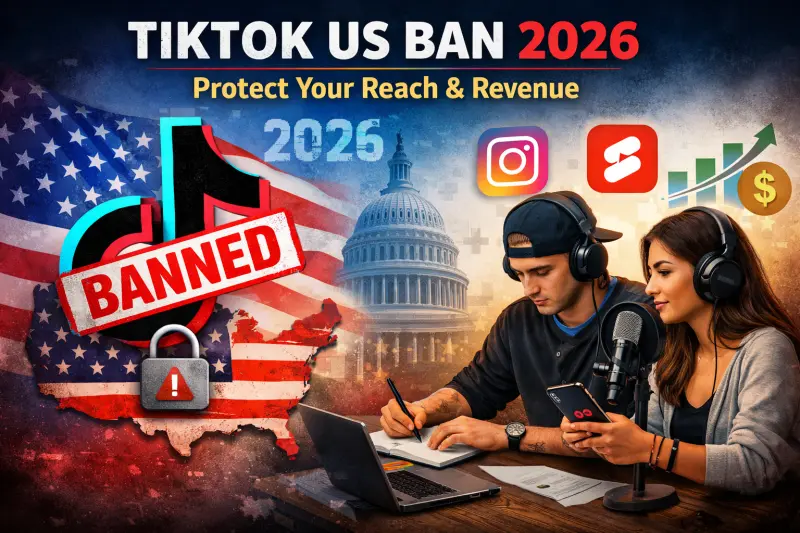
In 2026, renewed discussions around a possible US-only TikTok restriction have raised concerns among artists, producers, and independent labels.
While no global shutdown is confirmed, creators are asking an important question:
If TikTok disappears from one major market, how do musicians stay visible and profitable?
🚨 Why a TikTok US Ban Is Being Discussed Again
US regulators have cited:
-
Data privacy concerns
-
National security risks
-
Failed long-term compliance agreements
This has reopened the possibility of regional restrictions or a forced sale, not a worldwide shutdown.
👉 Important: TikTok would still operate in many other countries.
🎵 Why TikTok Still Matters for Music Discovery
For artists, TikTok is more than an app — it’s a discovery engine.
It impacts:
-
Viral song launches
-
Streaming growth on Spotify & Apple Music
-
Algorithm-driven fan discovery
-
Independent artist branding
Over the past few years, many breakout songs gained traction after short-form exposure, not radio or playlists.
📉 What Could Change If TikTok Is Restricted in the US
If a US-only ban happens:
-
Organic discovery may slow in North America
-
Paid promotion costs could increase
-
Smaller artists may lose a free growth channel
-
Labels may shift budgets to other platforms
However, this does not mean music discovery stops — it simply moves.
🔄 Where Music Creators Are Shifting in 2026
Artists are already diversifying toward:
-
Instagram Reels
-
YouTube Shorts
-
Platform-owned audio libraries
-
Direct fan channels
No single platform fully replaces TikTok, but multi-platform presence reduces risk.
✅ How Artists Should Prepare (Actionable & Evergreen)
To protect long-term growth in 2026, music creators should:
✔ Build audiences on multiple short-form platforms
✔ Upload and promote original music (owned audio performs better)
✔ Optimize streaming profiles for off-platform discovery
✔ Collect fans through email, links, and communities
✔ Avoid depending on one viral algorithm
Platform dependence is the real risk — not policy changes.
🧠 Key Takeaway for Artists & Labels
A TikTok restriction wouldn’t end music promotion — but it would punish creators who rely on only one platform.
Artists who:
-
Own their content
-
Control their distribution
-
Spread visibility across platforms
will remain discoverable regardless of policy shifts.
🎵 Distribute Music the Right Way
To make your music usable across Reels, Shorts, and future platforms:
-
Distribute officially
-
Own your audio rights
-
Avoid platform-specific dependency
With LastPlayDistro, artists can release music globally and stay promotion-ready across platforms.
👉 Build fans — not platform risk.
Release Your Music Globally With Last Play Distro
With Last Play Distro, artists can distribute music globally to 150+ platforms, start on a Free tier where they keep 60% royalties, or upgrade to Premium tiers where they can keep up to 95% royalties.
- Global music distribution for independent artists
- Transparent royalties with plan-based royalty splits
- No fake partner, review, rating, or inflated artist-count claims