Quick Answer
The best music distribution choice in 2026 depends on ownership, payout transparency, platform delivery, royalty reporting, takedown control, support quality, and whether the artist needs marketing tools or simple worldwide delivery.
Key Takeaways
- Choose a distributor by payout clarity, support, takedown policy, platform reach, and royalty reporting instead of headline price alone.
- Streaming payouts vary by platform, territory, listener plan, and royalty pool; per-stream numbers are estimates, not fixed rates.
- Release preparation affects approval speed: metadata, artwork, audio quality, splits, and rights documentation matter.
- Scam distributors often promise guaranteed playlisting, fake streams, instant royalties, or unrealistic payout rates.
Music distribution in 2026 is not just about getting a song onto Spotify. A serious distribution decision includes platform reach, royalty reporting, payout timing, takedown control, support quality, fraud protection, and whether the distributor fits the artist's release strategy. This hub consolidates distributor comparisons, platform differences, payout and royalty explanations, release preparation, and scam prevention.
How to Compare Music Distributors
Distributor comparisons often focus on annual price or commission, but that is only one part of the decision. Independent artists should compare delivery reach, royalty reporting detail, payout threshold, support speed, takedown terms, YouTube Content ID options, split payments, and whether the company makes contract terms easy to understand.
- High-release artists: need predictable upload workflow, fast corrections, and clear catalog management.
- New artists: need simple pricing, release preparation guidance, and reliable support.
- Collaborative projects: need split sheets, contributor records, and clean payout tracking.
- Catalog owners: need takedown control, audit-friendly reporting, and stable metadata.
DistroKid vs TuneCore vs CD Baby: 2026 Comparison
Choosing the right music distributor in 2026 can decide whether you make a profit — or lose money in hidden fees. Some platforms look cheap but charge yearly, while others look expensive but keep your music online forever. Here is how the three major aggregators compare:
1. DistroKid
DistroKid remains one of the most popular distributors due to its unlimited upload pricing model. It charges a flat annual subscription starting around $22.99/year.
- Pros: Unlimited releases, fast delivery to stores, simple dashboard interface.
- Cons: Requires annual renewal (if you stop paying, your music may be removed unless you pay an extra "Leave a Legacy" fee per release), and there are additional costs for features like Shazam or Content ID.
Best for: High-volume artists who release tracks frequently.
2. TuneCore
TuneCore has transitioned to a model offering both annual subscription tiers and traditional pay-per-release options. It is known for letting artists keep 100% of their royalties.
- Pros: Keep 100% of store royalties, robust publishing administration services, and highly detailed reporting dashboards.
- Cons: Can become expensive over time if managing multiple releases on pay-per-release models or paying for higher subscription tiers.
Best for: Artists who release fewer, more strategically planned albums or major projects.
3. CD Baby
CD Baby is a veteran aggregator that charges a one-time fee per release (single or album) and keeps a 9% commission on digital sales.
- Pros: No annual renewal fees, lifetime distribution, stable catalog hosting, and direct integration with physical distribution options.
- Cons: Takes a commission on royalties, and has a slower payout cycle compared to subscription services.
Best for: Catalog owners and artists who want a permanent distribution home without subscription commitments.
Side-by-Side Comparison Table
| Feature | DistroKid | TuneCore | CD Baby |
|---|---|---|---|
| Pricing Model | Annual subscription (starting at $22.99) | Subscription tiers or Pay-per-release | One-time fee ($9.99 per single/album) |
| Royalty Share | Keep 100% | Keep 100% | Keep 91% (9% commission) |
| Annual Renewal | Yes (required to keep music online) | Yes (for subscription tiers) | No (lifetime hosting) |
| Unlimited Uploads | Yes | Yes (subscription tiers) | No (pay per release) |
| Content ID Options | Paid addon ($4.95/year + 20% commission) | Included in some tiers (keeps 20% commission) | Included (keeps 30% commission) |
Platform Differences Artists Should Understand
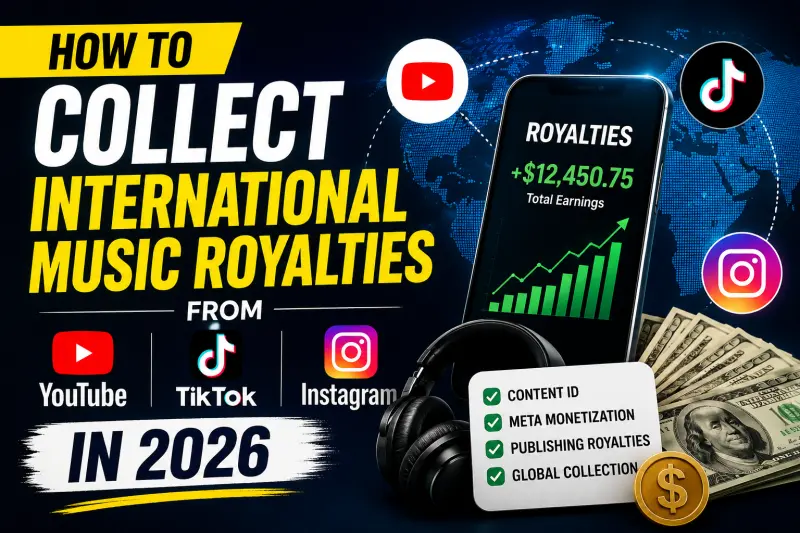
Streaming stores do not all behave the same way. Spotify is playlist and discovery heavy, Apple Music emphasizes catalog quality and artist profile setup, YouTube mixes sound recording revenue with video monetization, TikTok and Instagram can create discovery while paying through different rights channels, and SoundCloud-style platforms may use fan-powered or account-specific models.
An artist releasing a single should think beyond delivery. A song might need a Spotify profile pitch, Apple Music artist setup, short-form video assets, Content ID strategy, and clean metadata for royalty matching.
How Music Royalties Flow
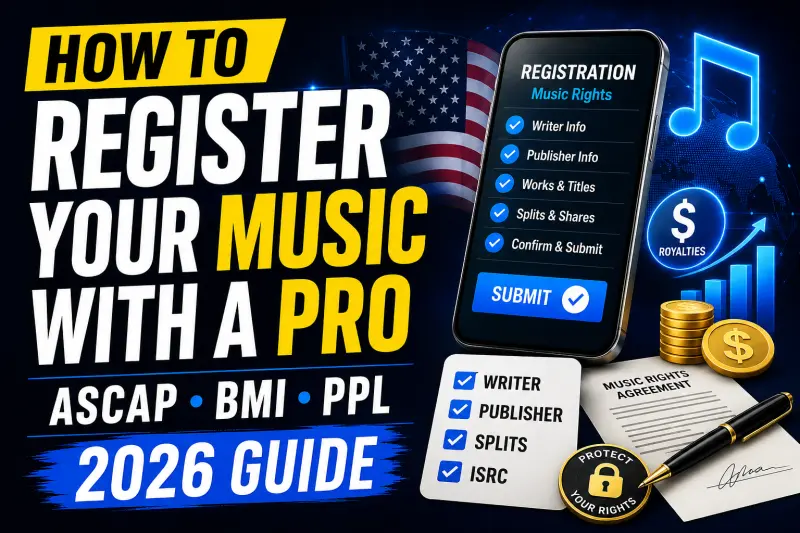
A distributor usually collects sound recording royalties from stores and pays the artist or label account. Publishing royalties, performance royalties, neighboring rights, and Content ID revenue may require separate registrations or tools. This is why a song can be distributed correctly but still leave money uncollected if the writer, publisher, PRO, or video rights setup is incomplete.
| Revenue type | Typical source | What the artist should check |
|---|---|---|
| Sound recording | Distributor/store reports | UPC, ISRC, artist name, payout account |
| Publishing/performance | PRO or publisher admin | Writer shares and song registration |
| Video/audio claims | Content ID or platform tools | Ownership conflicts and whitelist needs |
| Short-form usage | Platform licensing/reporting | Correct sound delivery and metadata matching |
Payout and Royalty Scenarios
Scenario 1: A single gets 50,000 streams across countries. The payout will not equal one fixed per-stream number because listener country, subscription type, ads, and platform revenue pool all matter.
Scenario 2: A song goes viral on TikTok. The artist may see discovery before meaningful royalties. The distributor needs to have delivered the sound correctly, while publishing and platform licensing determine additional revenue paths.
Scenario 3: A collaborator asks for their share. A distributor payout report is not a split agreement. Artists should document splits before release so royalties do not become a dispute after traction begins.
Release Preparation That Prevents Delays
Most avoidable distribution delays come from artwork issues, metadata mismatch, uncleared samples, inconsistent artist names, bad audio files, wrong release dates, or missing collaborator approvals. Prepare the release like a product handoff: final WAV, approved artwork, clean lyrics, split agreement, ISRC/UPC plan, and platform profile links.
Fake Distribution and Royalty Scam Checks
Be cautious when a company promises guaranteed playlist placement, instant viral streams, unusually high per-stream payouts, or royalty advances without clear terms. Scam-like distributors often use vague contracts, poor support, no dashboard transparency, and pressure tactics around paid promotion.
- Do not pay for guaranteed streams.
- Do not sign away catalog rights without understanding the term.
- Do not trust payout screenshots as proof of transparent reporting.
- Do not ignore takedown fees, renewal rules, or hidden commissions.
Case-Style Examples
First-time singer-songwriter: the priority is clean delivery, artist profile setup, lyric and writer registration, and avoiding confusing metadata. A simple transparent distributor can beat a complex platform with features the artist will not use.
Producer with monthly beat tapes: release volume and catalog management matter. The producer should compare annual plans, upload limits, takedown policy, and royalty report exports.
Label managing multiple artists: support, split tracking, reporting, and rights documentation become more important than the cheapest upload fee.
The best distribution setup is the one that keeps releases approved, royalties traceable, and ownership clear as the catalog grows.
Release Your Music Globally With Last Play Distro
With Last Play Distro, artists can distribute music globally to 150+ platforms, start on a Free tier where they keep 60% royalties, or upgrade to Premium tiers where they can keep up to 95% royalties.
- Global music distribution for independent artists
- Transparent royalties with plan-based royalty splits
- No fake partner, review, rating, or inflated artist-count claims