
Quick Answer
This article explains independent distribution for independent artists by focusing on using distribution tools to control release timing, metadata, catalog choices, and promotion. The practical takeaway is to verify current platform or rights rules, keep clean metadata and documentation, and make decisions based on your catalog goals rather than hype, shortcuts, or unsupported claims.
Key Takeaways
- 7 Reasons Why Independent Artists Should Distribute Their Own Music is mainly about using distribution tools to control release timing, metadata, catalog choices, and promotion.
- Artists should keep accurate metadata, release records, and rights documentation.
- Platform, marketplace, and royalty policies can change, so current rules should be verified.
- The safest plan is to protect catalog control while building sustainable audience growth.
🎯 7 Reasons Why Independent Artists Should Distribute Their Own Music
Gone are the days when only record labels had access to global music distribution networks. In 2025, independent artists have the power to release music worldwide — and keep complete control of their careers. The traditional record label pipeline has cracked, replaced by a democratic streaming ecosystem where quality and fan engagement dictate success rather than corporate budgets. Here's why self-distribution through platforms like Last Play Distro is a game-changer for modern musicians.
1️⃣ Understand and Keep Your Royalty Split
When you distribute your own music, there's no middleman eating into your earnings. Traditional label deals can take up to 80% of your revenue to cover overheads. Self-distribution changes this model. Platforms like Last Play Distro help you understand transparent plan-based royalty splits. You keep the vast majority of your master royalties, which means you earn significantly more per stream than signed artists.
2️⃣ Total Creative Control
No deadlines. No compromises. You decide when to release, how to promote, and what your cover art looks like. You can write whatever style of music you want without a label executive asking you to change your sound to match a commercial trend. That creative freedom is priceless and allows artists to build unique, authentic identities.
3️⃣ Build and Own Your Direct Fanbase
Labels traditionally acted as gatekeepers between artists and audiences, keeping listener demographic data to themselves. Distributing your own music lets you track where your listeners are, which songs they love, and how they find you via your dashboard. You own the relationship with your audience. Having access to these analytics helps you plan tours, market merch, and schedule advertising budgets strategically.
4️⃣ Global Reach, Instantly
With a few clicks, your song can appear on Spotify, Apple Music, YouTube Music, Amazon Music, JioSaavn, Wynk, and 1,150+ platforms worldwide. A self-released single can be heard in Tokyo, London, and Mumbai on the same day. This level of distribution reach was once a major selling point of record contracts; now it is available to anyone with an internet connection.
5️⃣ Faster and Flexible Release Cycles
No long review cycles or marketing delays. Traditional labels often sit on completed albums for six to twelve months to align with physical manufacturing or distribution schedules. With self-distribution, you can upload and go live in as little as a few days. That speed matters in today’s trend-driven, fast-paced digital market, allowing you to capture viral moments quickly.
6️⃣ Learn the Business Side of the Industry
When you handle your own releases, you learn about rights administration, royalty flows, metadata optimization, and marketing analytics. It makes you a smarter artist and a stronger business owner. Understanding copyright registration, publishing splits, and distribution mechanics prevents you from signing predatory deals in the future.
7️⃣ Labels Will Come to You on Your Terms
Want a label deal later? Great — but let them come to you when you’ve already built momentum. A strong self-distribution history, growing stream counts, and an active listener base give you massive leverage. When you own your catalog and have proof of market demand, labels will offer licensing deals that protect your rights, rather than standard, low-payout developmental contracts.
Understanding Streaming Mechanics: Pro-Rata vs. Direct-to-Fan
To succeed in self-distribution in 2025, you must understand the underlying payout mechanics. Standard streaming services operate on a pro-rata system where all streams are pooled, meaning your payouts are directly affected by the market share of major label tracks. However, self-distribution allows you to bypass this pool constraint by combining streaming with direct-to-fan marketing channels (such as Bandcamp, Patreon, and Shopify store integrations). By selling physical merchandise, custom vinyl, or digital downloads directly to your core supporters, you generate high-margin revenue that offsets low streaming payout rates, creating a balanced and stable financial foundation for your career.
How to Leverage Algorithmic Playlists and Artist Tools
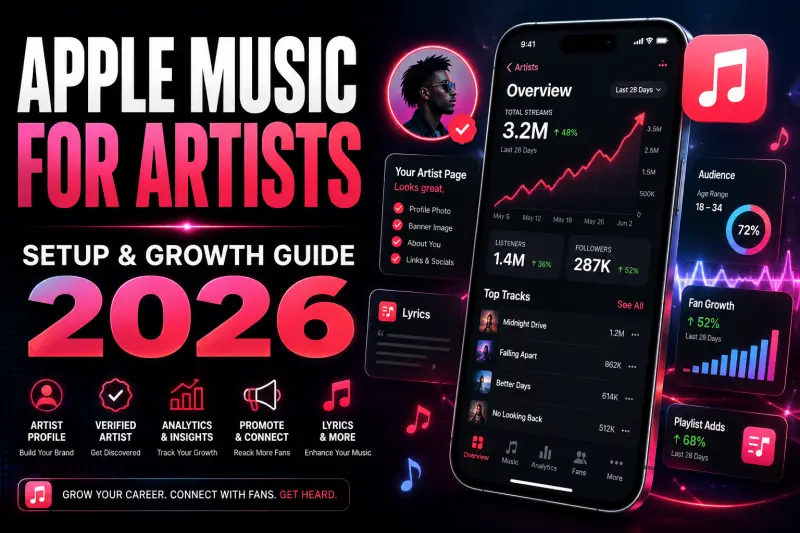
Independent distribution gives you direct access to artist tools like Spotify for Artists, Apple Music for Artists, and Amazon Music for Artists. These dashboards provide real-time listener analytics and allow you to pitch new songs directly to editorial playlists. Algorithmic playlists (such as Release Radar and Discover Weekly) are driven entirely by listener behavior. When you release a single, encourage your fanbase to follow your artist profile, pre-save your song, and save it to their personal playlists on release day. These listener actions signal high interest to the algorithms, multiplying your reach organically without the need for label connections.
Managing Collaborator Splits and Songwriter Rights
Collaborating with other musicians is one of the fastest ways to cross-promote and grow your audience. However, managing splits and paying collaborators manually is a significant administrative burden. Self-distribution platforms like Last Play Distro simplify this by offering automated royalty splits. When you submit a collaborative track, you input your co-writers' email addresses and their percentage splits. The system automatically calculates their earnings and pays them directly, ensuring that everyone is paid fairly and transparently. This eliminates administrative overhead and keeps your creative relationships strong and professional.
💡 Bonus Tip
Start with a single. Make the artwork pop. Pick a genre-specific release date (like Friday for pop/EDM, or mid-week for niche tracks), build a pre-save campaign, and use Last Play Distro to push it to the world. Consistency is the key to algorithmic discovery.
Release Your Music Globally With Last Play Distro
With Last Play Distro, artists can distribute music globally to 150+ platforms, start on a Free tier where they keep 60% royalties, or upgrade to Premium tiers where they can keep up to 95% royalties.
- Global music distribution for independent artists
- Transparent royalties with plan-based royalty splits
- No fake partner, review, rating, or inflated artist-count claims